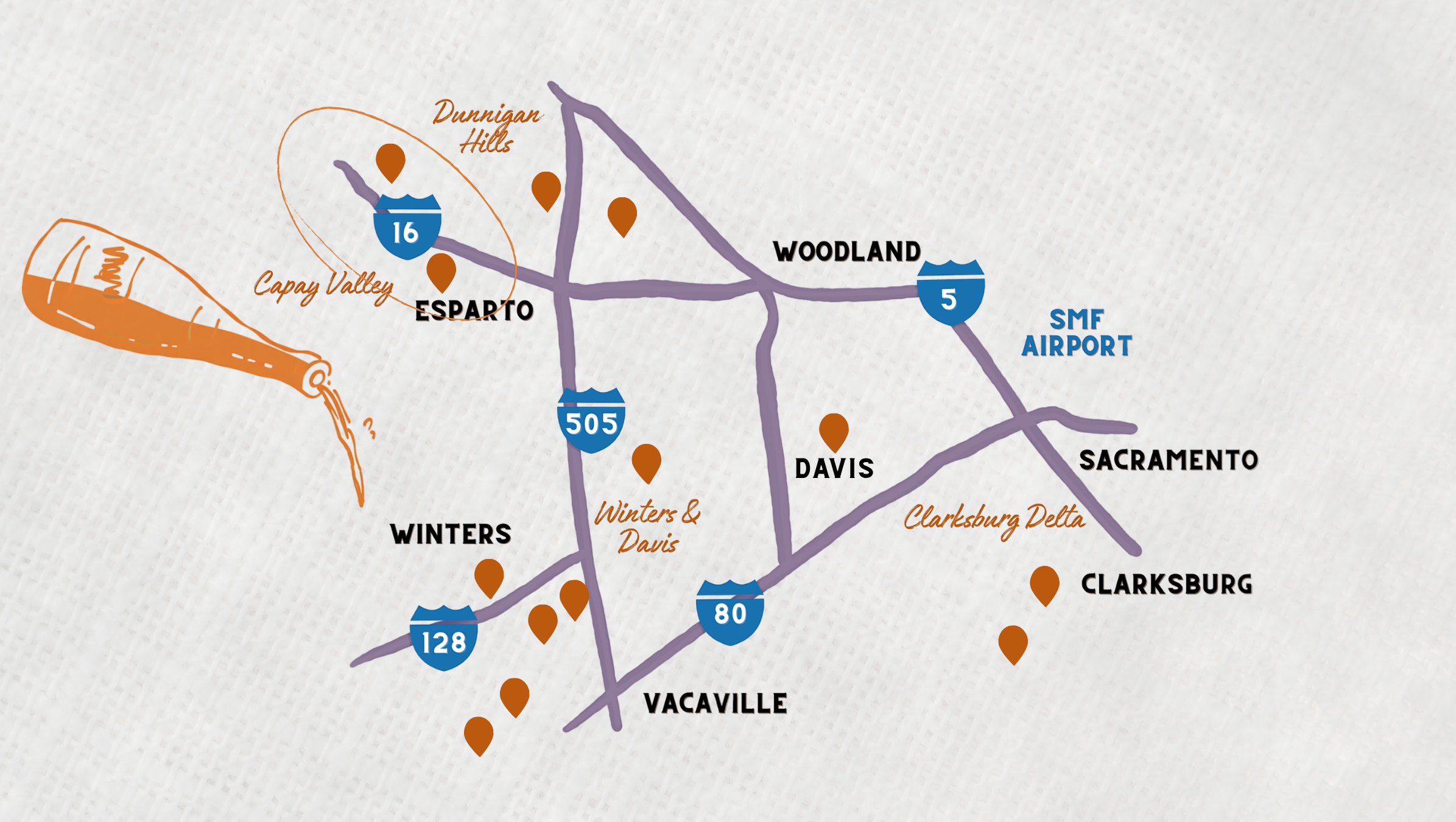
Did you know about the Capay Valley?
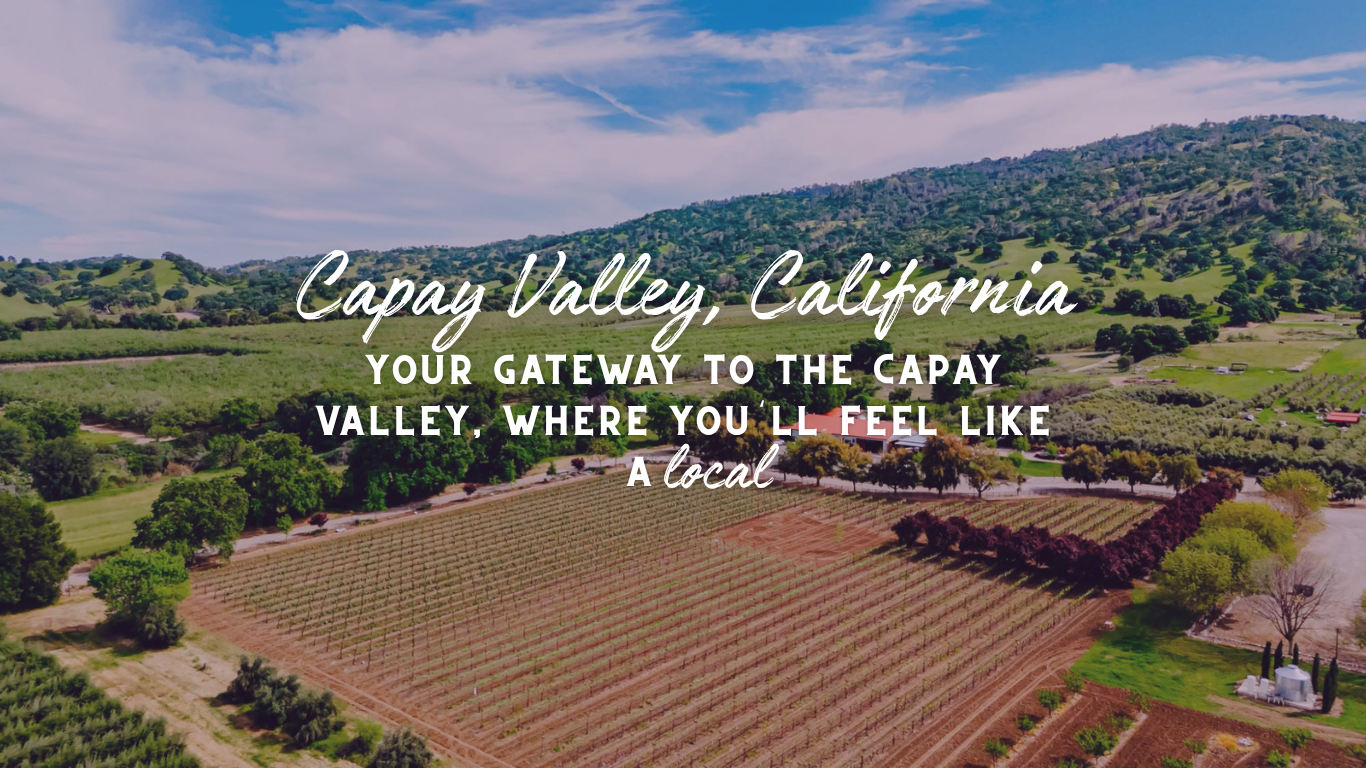
The Capay Valley is one of Yolo County’s hidden gems—a rural wine region where rolling hills, open farmland, and oak-dotted landscapes set the stage for small, handcrafted wines. Cool evening breezes from the Coast Range help preserve freshness in the grapes, while warm days allow for full, expressive ripening. It’s a place where agriculture still leads the story, and winemaking feels deeply connected to the land.
Part of Yolo County’s wine country, you didn’t know you were missing!
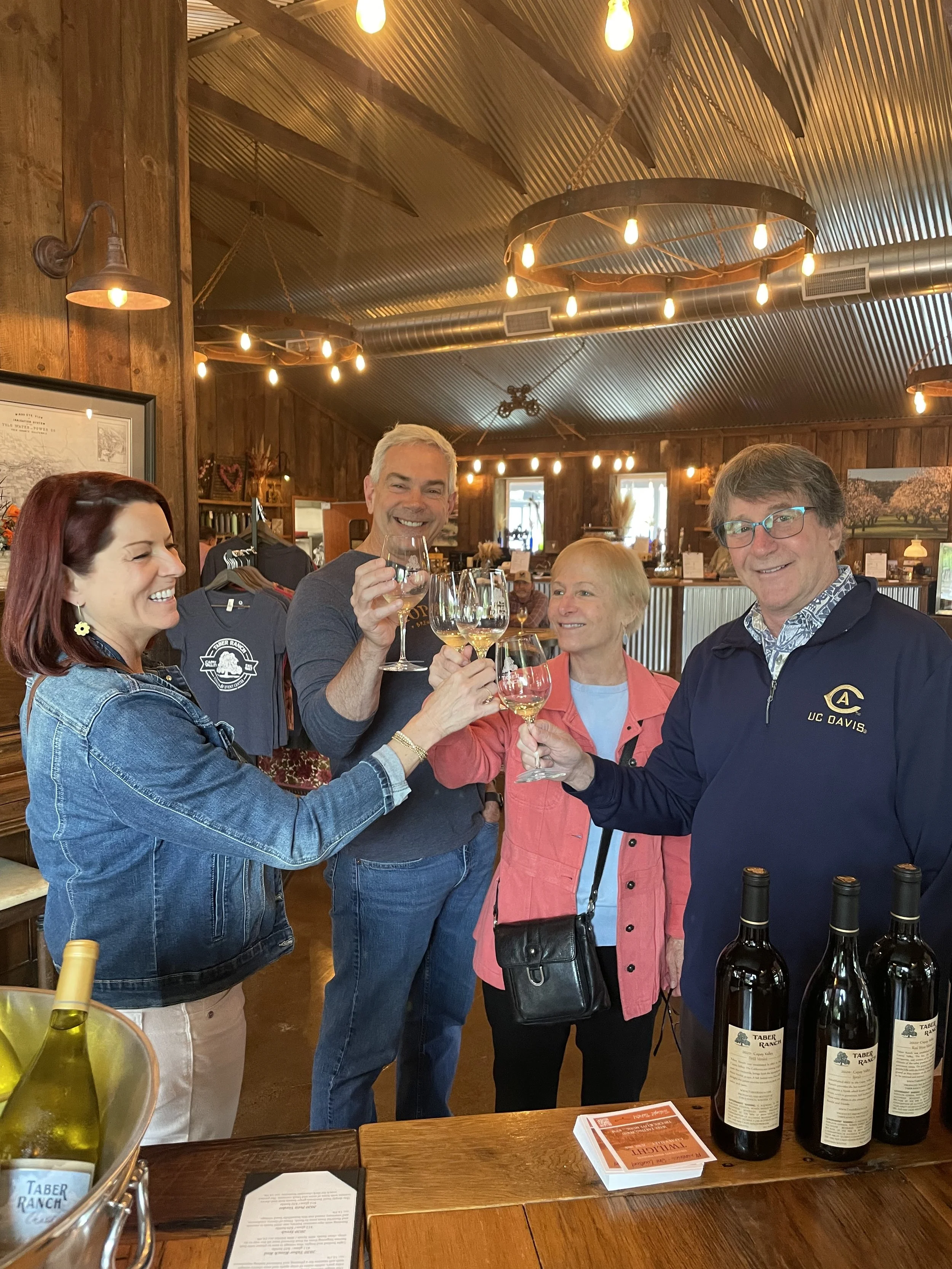
With just a handful of boutique producers like Taber Ranch Vineyards and Capay Valley Vineyards, the experience is intimate and unhurried. Visitors come for the quiet beauty, stay for the handcrafted wines, and leave with a true sense of California wine country at its most authentic and understated.
The Capay Valley Wineries
-
![]()
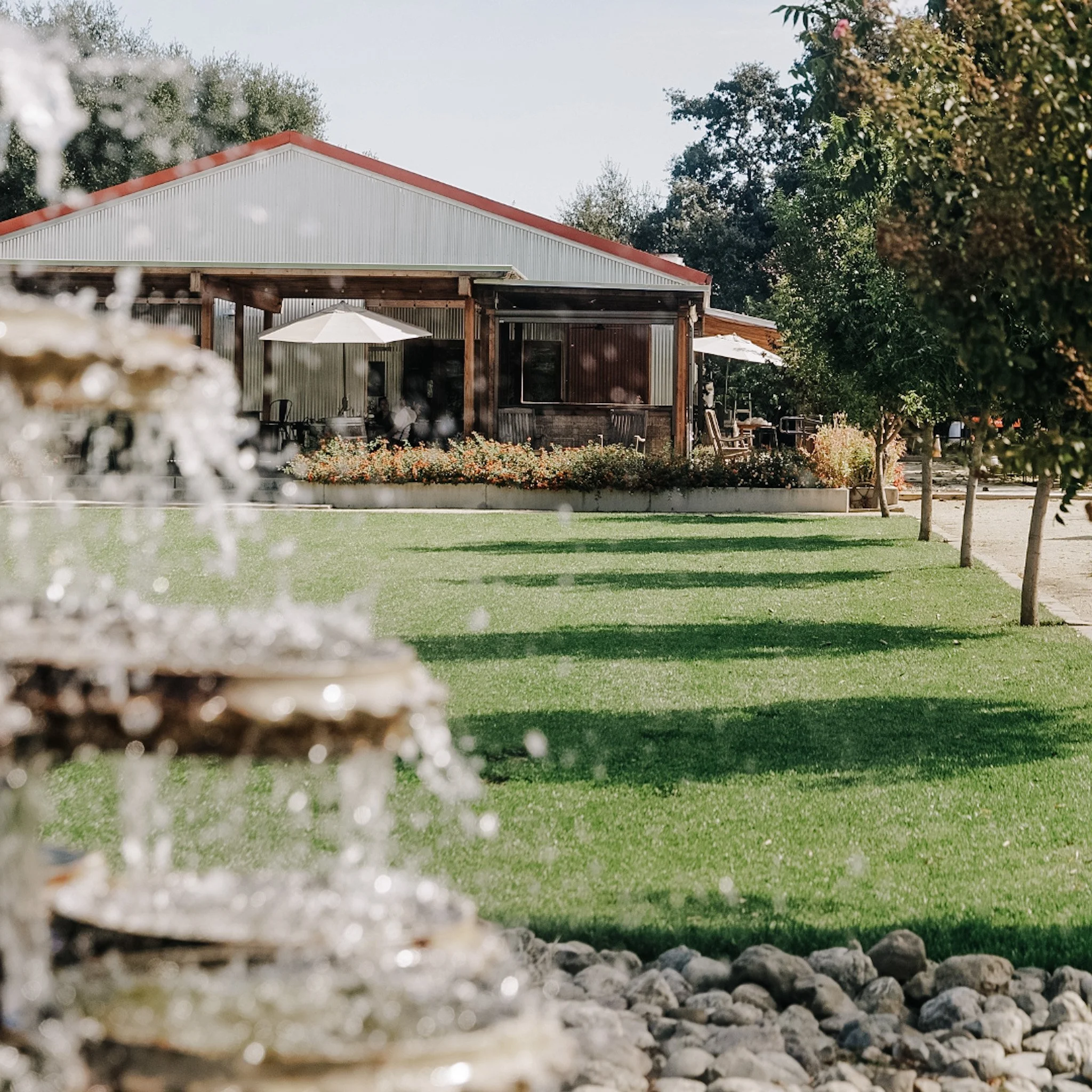
Taber Ranch
OPEN FRIDAY - SUNDAY
Taber Ranch is a scenic vineyard and event venue in the Capay Valley known for its rolling hills, organic farming, and popular wedding and event space. The property grows a variety of wine grapes and produces estate wines that reflect the warm, rural character of the valley.
-
![]()
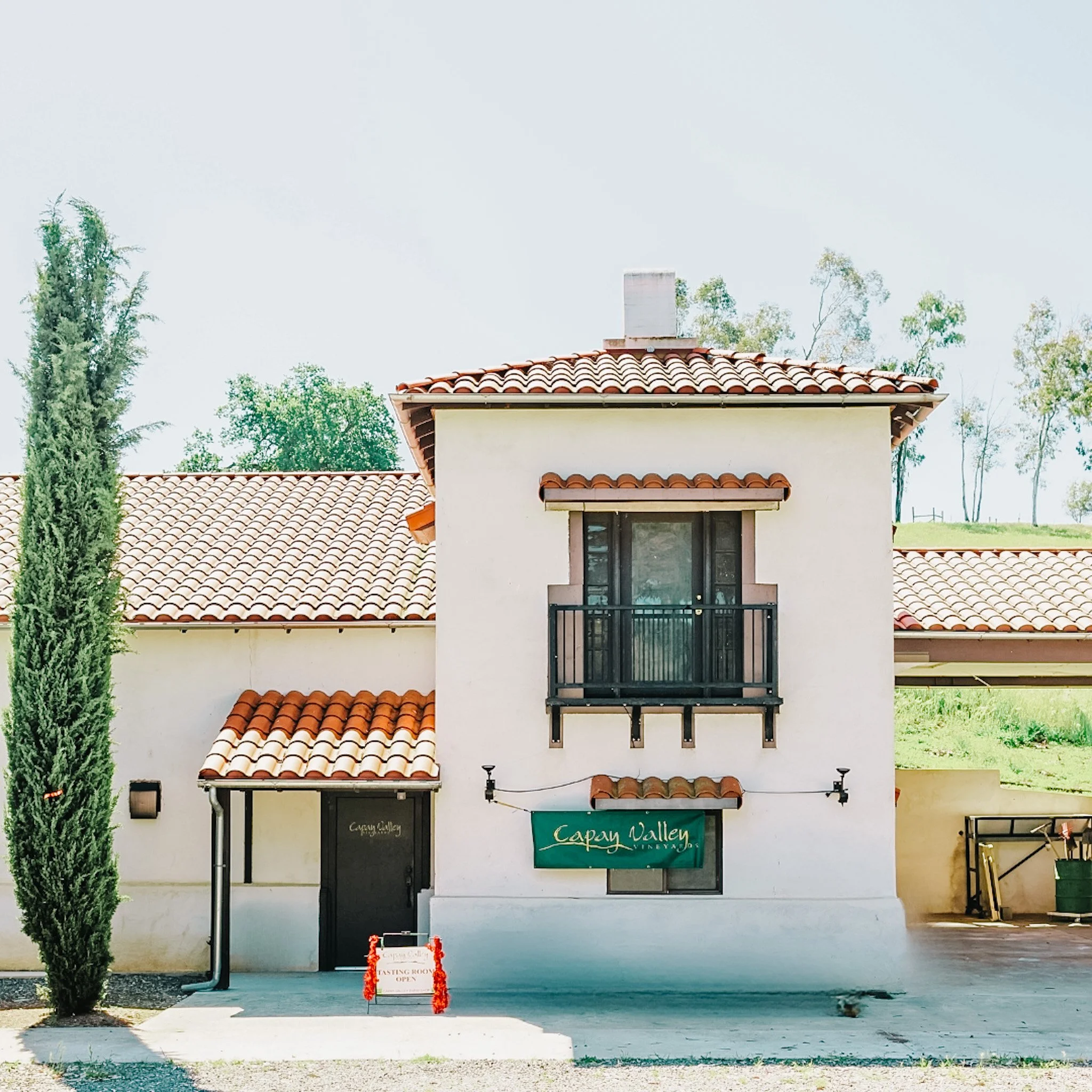
Capay Valley Vineyards
OPEN BY APPT ONLY
Capay Valley Vineyards is a small, family-run winery focused on estate-grown wines that highlight the unique climate and soils of the Capay Valley. Known for its hands-on approach and limited production, the winery offers a relaxed, authentic tasting experience rooted in local agriculture.
AVA:
Capay Valley
( What’s an AVA? )
AVA stands for American Viticultural Area. It is a federally designated, geographically defined grape-growing region in the United States, recognized for its unique climate, soil, and elevation.
The Capay Valley AVA is a small, rural wine-growing region in western Yolo County defined by its oak-studded hills, open farmland, and strong agricultural heritage. Shaped by the Blue Ridge Mountains to the west and the Capay Hills to the east, the valley features a long growing season with hot, dry summers and cooling influences that move in from the Sacramento Delta and San Francisco Bay. These conditions, along with diverse soils ranging from clay and creek rock to volcanic ash and calcareous formations, create an ideal environment for resilient vineyards that produce expressive, balanced wines.
Cache Creek flows the full length of the valley and plays a key role in shaping its landscape and agricultural character, with the AVA boundaries largely following these natural landmarks
The name “Capay” dates back to the 1840s and is derived from the Wintun word capi, meaning “stream.” Around the same time, Governor Pio Pico granted Rancho Canada de Capay—nine square leagues of land—to the Berryessa brothers, helping establish the valley’s early roots in agriculture and settlement.
Today, the Capay Valley AVA is home to a limited number of boutique, estate-focused producers that emphasize sustainability and a close connection to the land. Wineries such as Taber Ranch Vineyards and Capay Valley Vineyards define the region’s identity with small-lot wines and intimate tasting experiences.
The AVA is best known for Rhône and Mediterranean-style varietals like Syrah, Grenache, Mourvèdre, and Petite Sirah, along with aromatic whites such as Viognier and Grenache Blanc. Together, these producers showcase Capay Valley as a quiet but distinctive wine region where agriculture, landscape, and winemaking remain deeply intertwined.
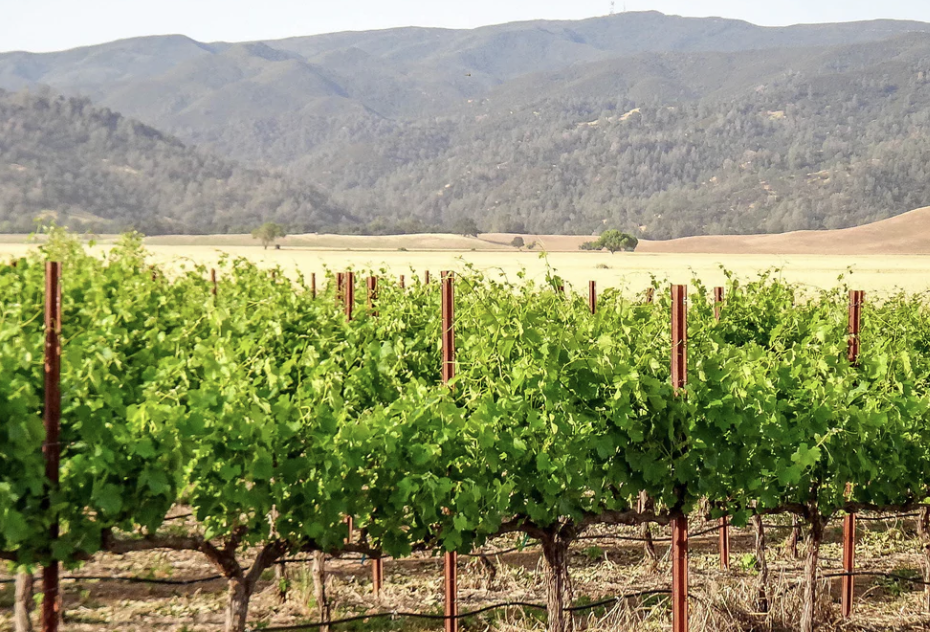
The Capay Valley’s climate and soils strongly support a focus on Mediterranean and Rhône-style varietals - producing wines that are expressive, food-friendly, and shaped by its mix of hot inland days, cooling breezes, and diverse hillside soils.

Things to do
-
![]()
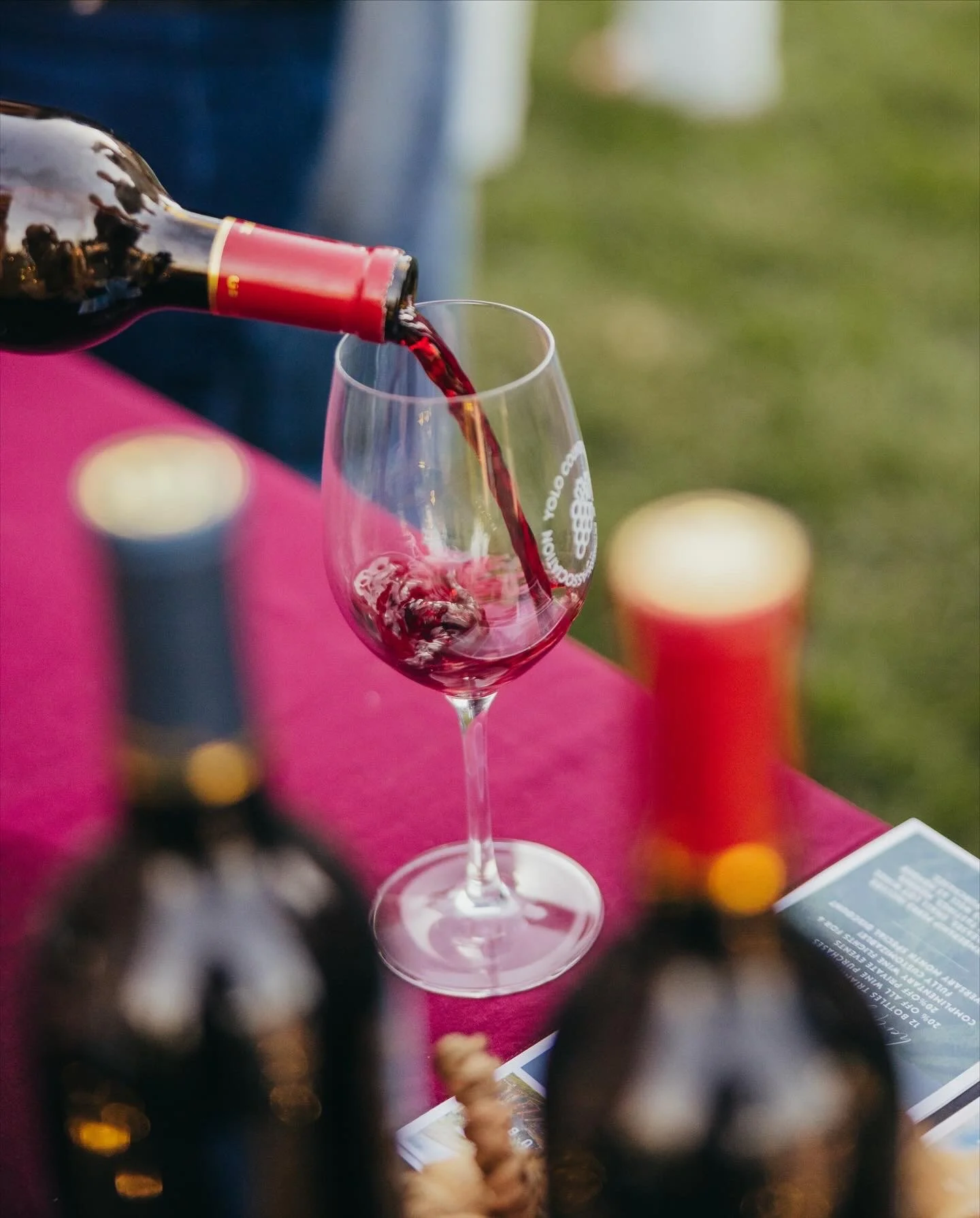
Wine Tasting
-
![]()
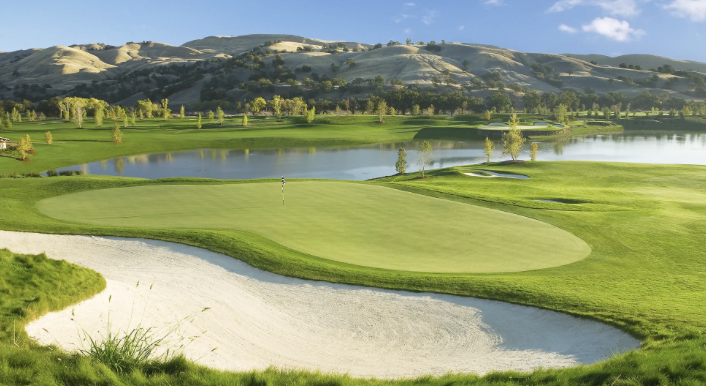
Golfing at Yocha Dehe
-
![]()
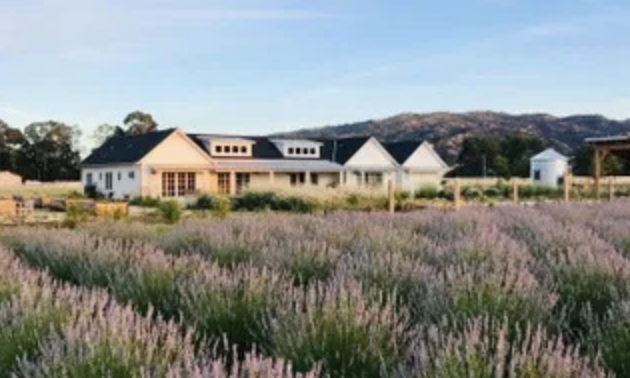
Visit Lavendar Farms
-
![]()
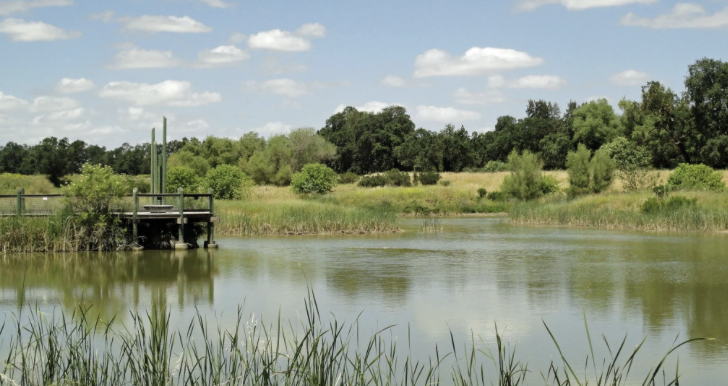
Cache Creek Conservancy
Places to Eat
-
![]()
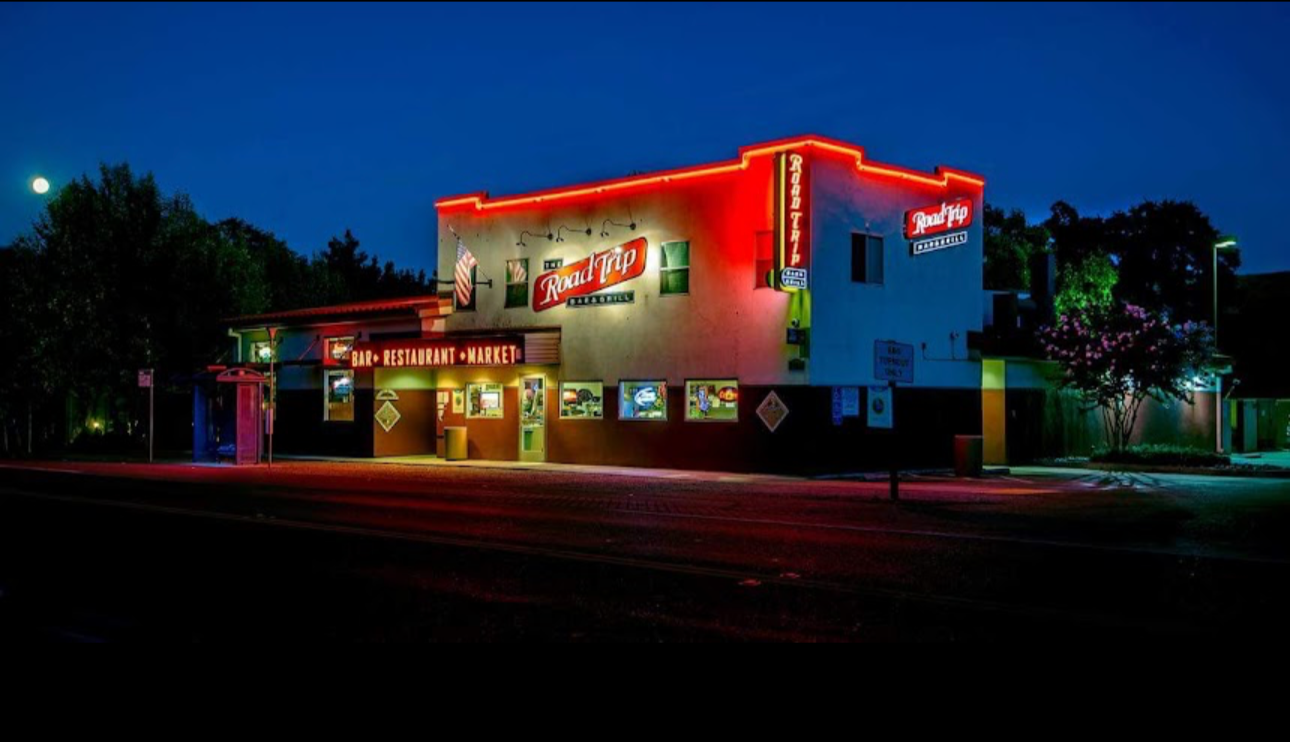
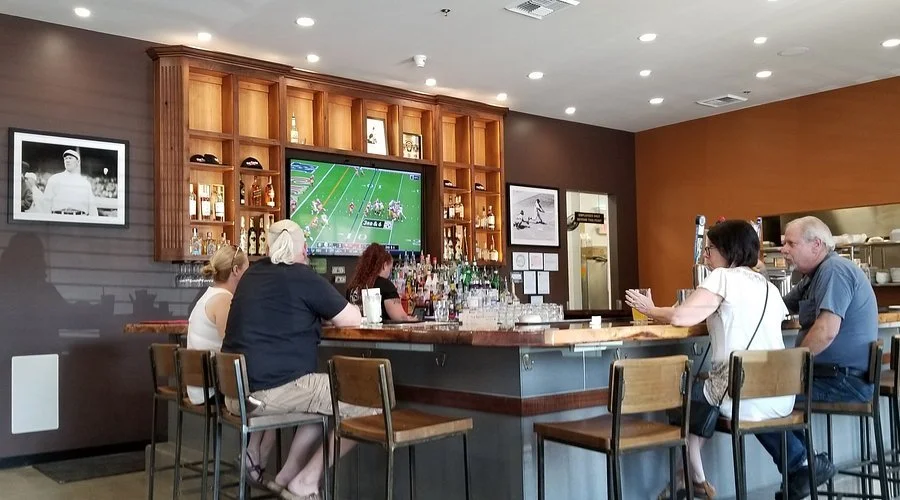
Road Trip Bar & Grill
-
![]()
The Ravine
-
![]()
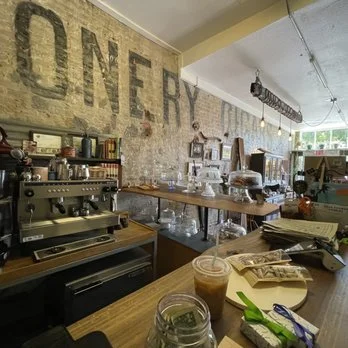
Lucy's Cafe & Farm Pantry
-
![]()
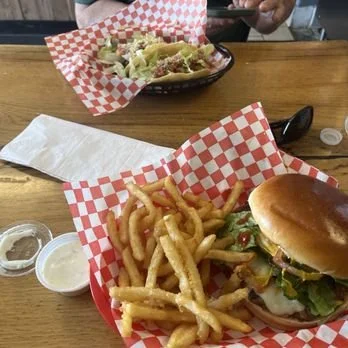
Hog Canyon
-
![]()
C2 Steak & Seafood

Places to Stay
-
![]()
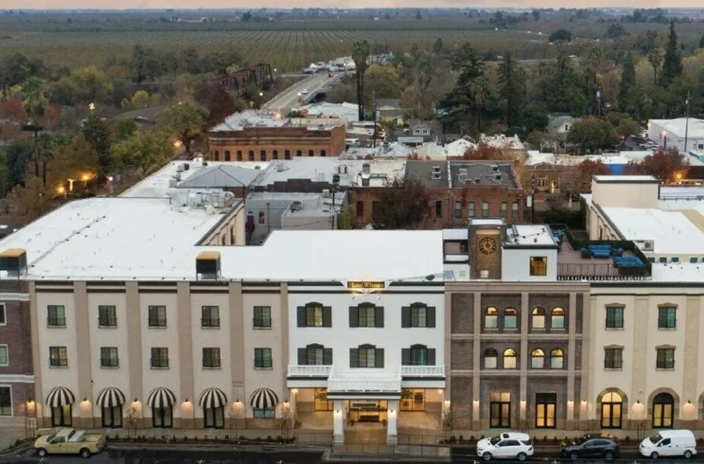
Hotel Winters
-
![]()
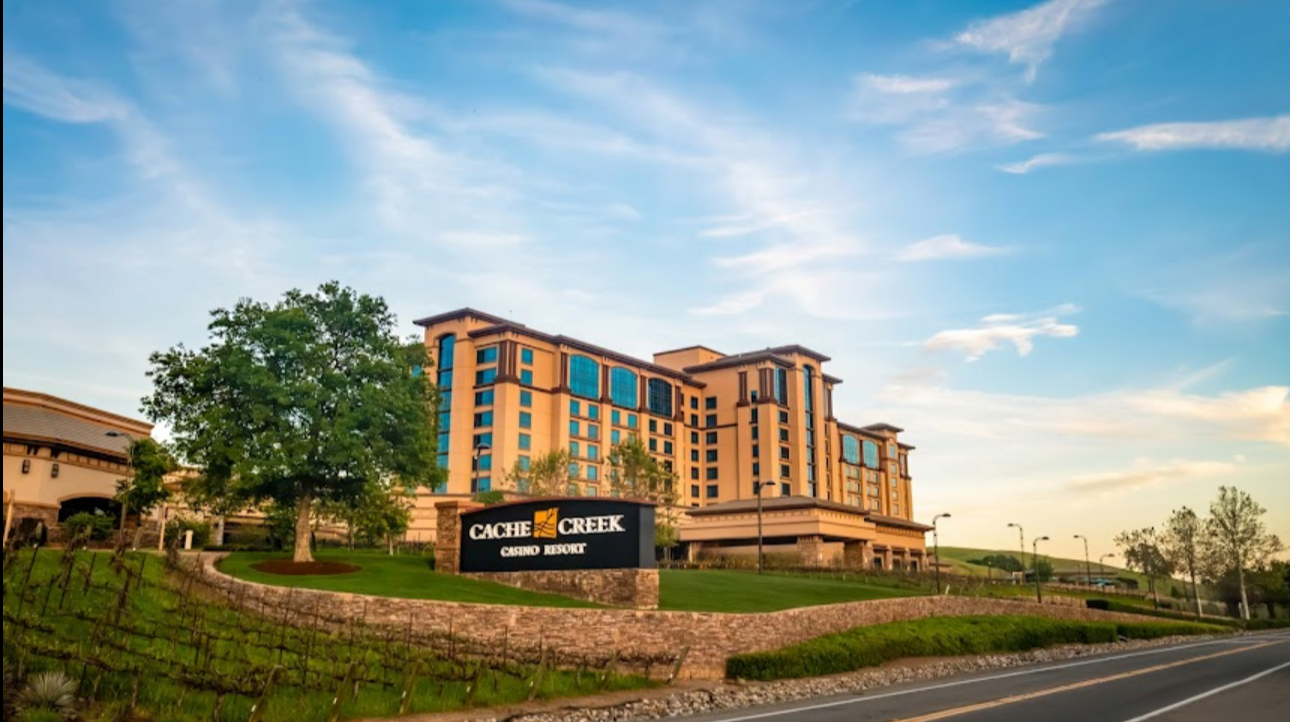
Cache Creek Casino
-
![]()
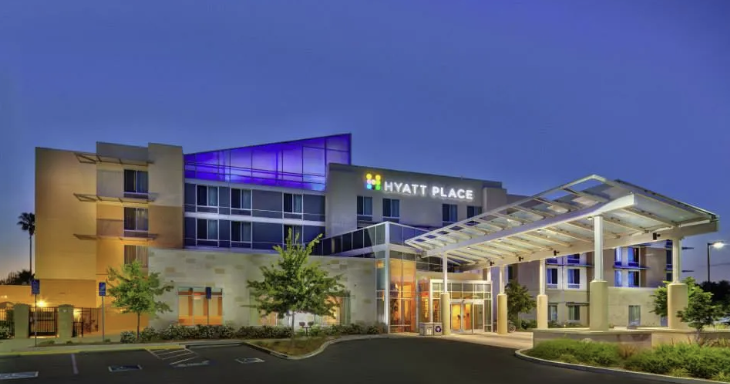
Hyatt Place UC Davis
-
![]()
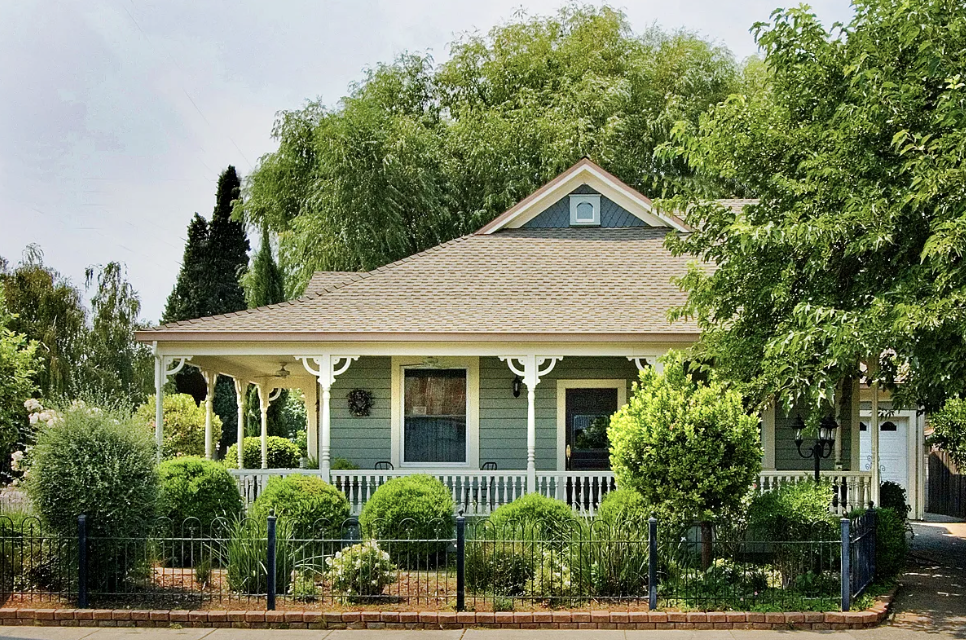
Abbey House Inn
Description goes here